• Lessons Beyond the Market

    Have a listen to what Denaliguide has to say about winning and losing.

    Speculation is a world of high stakes. With every choice, you stand on the edge of possibility. You have the chance to win big or face the reality of losing just as quickly. But speculation isn’t just about numbers on a screen or ticker symbols flashing by. It’s also about mindset, psychology, and how we handle ourselves when the outcome doesn’t go our way.

    In our recent interview, we explored what it really means to win in speculation. We also examined what it means to lose. Both sides of the coin are equally important to the journey.


    The Thin Line Between Speculation and Investing

    For many, speculation is seen as a cousin to gambling — fast, risky, and fueled by adrenaline. Investing, on the other hand, carries the image of stability, patience, and long-term growth. Yet, as our guest reminded us, speculation can also be disciplined. With the right mindset, research, and risk management, speculation becomes more than a roll of the dice.


    Stories of Wins and Losses

    Every speculator has a story. A “win” that seemed almost effortless. A “loss” that stung deeply but shaped future decisions. These stories remind us that speculation is not about avoiding mistakes — it’s about learning from them.

    A win teaches confidence and courage. A loss teaches humility and patience. Both together form the true education of a speculator.


    The Psychology of Speculation

    More than strategy, speculation is about psychology. Fear, greed, excitement, and regret play just as big a role as charts and data. Those who succeed long-term are not necessarily the smartest. They are not the fastest. They are the ones who can manage their emotions when markets move against them.

    In speculation, mindset often determines outcome.


    Risk, Strategy, and Resilience

    How much should you risk? Should you trust your gut, or follow the data? These are timeless questions every speculator faces. What matters most is consistency. Setting boundaries is important. These boundaries can be a stop-loss, a profit-taking plan, or simply a personal rule. They help protect against the destructive side of risk.

    But resilience is the real key. Winning once is good. Winning consistently requires discipline. And losing with grace? That’s what makes you stronger.


    Lessons Beyond the Market

    Speculation is more than financial activity; it’s a mirror of life itself. We all experience cycles of winning and losing, whether in business, relationships, or personal growth. The same principles apply: stay grounded, manage risk, and never let a single outcome define you.

    One of our final reflections in the interview suggested an insight. The biggest victory in speculation is in understanding how to accept loss. This is the greatest win.


    Closing Thoughts

    Speculation teaches us that victory and defeat are two sides of the same coin. To become better speculators — and better people — we must embrace both. Wins bring reward, but losses bring wisdom.

    👉 What do you think? Is it possible to truly win in speculation without ever losing? Share your thoughts in the comments below.

    — Nick,
    Denaliguide
    “Speculation isn’t luck — it’s guidance, grit, and growth.”
  • End of August 2025 Edition


    📌 A Note from Nick

    As summer draws to a close, the markets have been anything but quiet. Cycles, speculation, manipulation, and the ever-constant risks and rewards of mining have filled our conversations this month. August has shown us how fragile trust can be. It has demonstrated how speculation differs from true investment. It also continues to show how law and order (or the lack of it) impacts the world of mining.

    This issue brings together highlights from our latest discussions, insights, and a few lessons worth carrying into September.


    🎯 This Month’s Highlights

    Winning & Losing: Speculation vs. Investing

    Speculation is about quick plays, betting on outcomes you can’t control. Investing, by contrast, is planting your money with patience—letting solid companies grow over time. Both have their place, but knowing which path you’re on is half the battle.


    Tidal-Like Cycles: 2012 and Beyond

    Markets don’t move in straight lines—they breathe. Like tides, they swell and recede. August reminded us that cycles are bigger than single headlines. Recognizing patterns is key, and those who read the tide often survive the storm.


    Manipulation: With & Without Trend

    From sleight-of-hand distractions to outright price suppression, manipulation continues to shape how mining stocks trade. Sometimes it amplifies the trend, other times it fights it—but it’s always there. Staying grounded in fundamentals keeps you from being pulled off course.


    Law & Order in Mining

    Mining is built on risk, but jurisdictional risk is the biggest of all. This month we highlighted Mali’s disputes with Barrick and the way governments use law as leverage. In mining, order is never guaranteed.


    Breakout Stocks

    When a stock finally breaks free of its trading range, the move can be fast and decisive. This month we flagged several juniors and mid-tiers showing breakout potential. This is proof that while risks are high, opportunities persist for the disciplined eye.


    📖 Story of the Month

    Just like the salmon swimming upstream against bears, eagles, and con-men, junior miners fight overwhelming odds to survive. They are resilient, determined, and sometimes heroic. Remember: every upstream struggle is a sign of strength, not weakness.


    🔎 Looking Ahead to September

    • 10 Stock Portfolio – We’ll start laying out an analysis for modeling (choice of names worth watching.)
    • Globalists & Gnomes of Zurich – A dive into the shadow players who set gold and silver prices.
    • Acts of Earth, Not God – Seismic and environmental shocks that can make or break operations.

    ⛰️ Closing Thought

    In markets as in mountains, perspective is everything. Some climbs are steep, some valleys deep—but those who keep climbing discover views worth the effort.

    Stay sharp, stay patient, and keep your eyes on the bigger picture.

    Nick, Denaliguide

  • Survival First. Profit Second.

    Speculation in Mining: Risk, Reward, and Reality

    📍 I sat down with Denaliguide, Nick, to launch a new series exploring speculation in mining. To start, we asked the most basic question. It is also the most important question: what do we really mean by speculation? How does it differ from investing?


    Speculation vs. Investing

    Speculation is essentially putting money into something in the hope of making a profit. You aim to get more back than you put in if your guess is correct.

    Investing, however, is slower and steadier. It looks like putting $50 or $100 into the bank. You save until you’ve gathered enough to buy a solid stock or mutual fund. Then, you continue to add to it over time. Investing looks ahead one, two, or three years.

    Speculation is quicker, riskier, and comes with no guarantees.


    Risk and Reward: Two Sides of the Same Coin

    As Nick reminded me, “If you want reward, you have to have risk.”

    In mining, that could mean buying $300 worth of shares in a junior miner. You then watch the value climb to $900 when good news breaks. That’s a win — if you sell.

    But speculation often plays out in roller-coaster fashion. A $10 stock might climb to $12 or $13, filling you with confidence, only to collapse to $9 or $8. Without a plan, it’s easy to get trapped, holding on and hoping for a rebound that never comes.


    Skill or Luck?

    Is success in speculation a matter of skill, or just being in the right place at the right time?

    Nick’s answer was blunt: “I’m not sure there is skill. We’re taking scientific wild guesses.” Speculation is about making the most informed decision you can with the information available. Still, luck and timing often play a larger role than most would like to admit.


    Why Speculators Lose

    The number one reason people lose money in mining speculation? No plan.

    • They buy without knowing when they’ll sell.
    • They hold on too long, hoping the stock will bounce back.
    • They treat miners like blue-chip stocks, expecting the economy to eventually rescue their position.

    Nick stressed that every speculator needs rules. If you buy at $10, decide ahead of time how much loss you’re willing to tolerate. If it’s 10%, then when the stock hits $9, you sell. No hesitation.


    The Market Forces You Can’t Control

    Even the best-laid plans can be overturned by global forces.

    Nick shared the example of potash, a strong Canadian sector. But when Ukraine expanded exports, global supply surged, prices fell, and Canadian potash stocks tumbled.

    For the small investor, this is why due diligence is non-negotiable. Or, as Nick often says: DYODD — Do Your Own Due Diligence.


    The Mindset Shift

    Speculation isn’t a hobby; it’s a business.

    That means moving from casual “let’s see what happens” to structured risk management. A disciplined mindset looks like this:

    • Decide your exit strategy before you buy.
    • Set stop-losses to protect yourself.
    • Define profit goals so you know when to walk away.

    Without discipline, it’s not if you’ll lose — it’s when.


    Survival as a Form of Victory

    In mining speculation, even breaking even can be a win. Protecting your capital means avoiding “capital attrition” — the slow erosion of your hard-earned money.

    As Nick put it: “You lose your money. Then you figure out, geez, I had to work 160 hours for that.” Survival keeps you in the game for the next opportunity.


    What’s Next in This Series

    This conversation was just the beginning. Over the coming weeks, we’ll explore:

    • What winning looks like in speculation.
    • What losing really looks like.
    • Lessons on managing risk vs. reward.

    It’s going to be an honest look at the realities of mining speculation. It will not be about happy excitement. Instead, it is about the anxiety and discipline that come with playing the game.

    As always, Nick leaves us with the reminder:

    “Do your own due diligence. Protect your capital. Survival first, profit second.”

    Stay tuned as we unpack these lessons together throughout September.

    Doll for Denaliguide aka Nick

  • August 21, 2025

    Mining investments demand more than quick guesses. They need a long view. Investors must have sharp intelligence and a clear grasp of both opportunities and risks. In this post, we explore the types of intelligence that can shape success. We also consider the role of royalties and the competitive realities investors face.

    (scroll down to the video)


    Who Has the Greatest Advantage?

    Three possible leaders in mining intelligence:

    • Human Intel – Ground-level insights from funding, management, and operational experience.
    • Artificial & Computer Intel – Data-driven analysis, AI modeling, and automated pattern detection.
    • Merged Intel – A blend of human skill with advanced computing for strategic decision-making.

    Three Core Intel Categories

    1. Human – Funding, management, and leadership direction.
    2. Out-of-Managers – Evaluations based on standout performance or “WOW” factor.
    3. Inserted Intel – Human systems complemented by computer integration for improved efficiency.

    Mining Requires a Long View

    • Evaluation often involves Security Sec (SWAG), including outlier scenarios (e.g., Electrum-type deposits).
    • Short-term strategies offer fewer trades but yield higher multiple gains.
    • Ultimately, value rests on mine outcomes — production, sustainability, and profitability.

    The Royalty Approach

    Some companies don’t mine directly. Instead, they buy an overriding interest (percentage) in a miner’s net profits — known as royalties.

    Advantages:

    • Income without operating the mine.
    • Potential for steady returns while avoiding direct mining risks.

    Risks:

    • Mines can fail, go bankrupt, or be nationalized.
    • Loss of production = loss of royalty income.
    • Competition exists among royalty companies for the best deals.

    Example: Company #1 Royalties

    • Roy A: 2% until 2029
    • Roy B: 10% + 1% (market/sales) until 2029
    • Roy C: 5% gross sales until 2029

    Valuing Multiple Royalties

    Rule of Thumb:

    • 2.5% royalty ≈ ¼ of base valuation
    • 5% royalty ≈ ½ of base valuation
    • 10% royalty ≈ full base valuation

    Calculations involve:

    • Multiplying rates by base values.
    • Considering term lengths and escalation.
    • Adding across streams for total valuation.

    Evaluating a Mining Company

    Step 1 – Human Intel

    • Background facts & figures
    • Years in operation
    • Resource estimates

    Step 2 – Market Intel

    • Last 6 months of price performance
    • Market activity patterns

    Step 3 – AI Intel

    • Resource use identification
    • Patent age and validity

    Step 4 – Analysis & Projection

    • Apply human-created protocols
    • Set current trend
    • Forecast future price or trend

    Final Takeaway:
    Success in mining royalties depends on blending different forms of intelligence. It also involves carefully valuing royalty streams. Additionally, understanding that even the most promising assets can face operational or political risks is crucial.

    For now, from the glitter of the highest peaks to the hidden veins in the deepest mines,

    Nick aka Denaliguide

  • It’s Friday afternoon. I’m sitting here with Denali Guide Nick. He’s my husband, my life partner, and my best friend. We want to share a little story from our trip this past week. We spent some time at the

    Duttona Family Campground, our current favorite getaway spot, but before we arrived we went to Port Glasgow.

    I asked Nick, “What’s the one thing you remember most about that trip?”

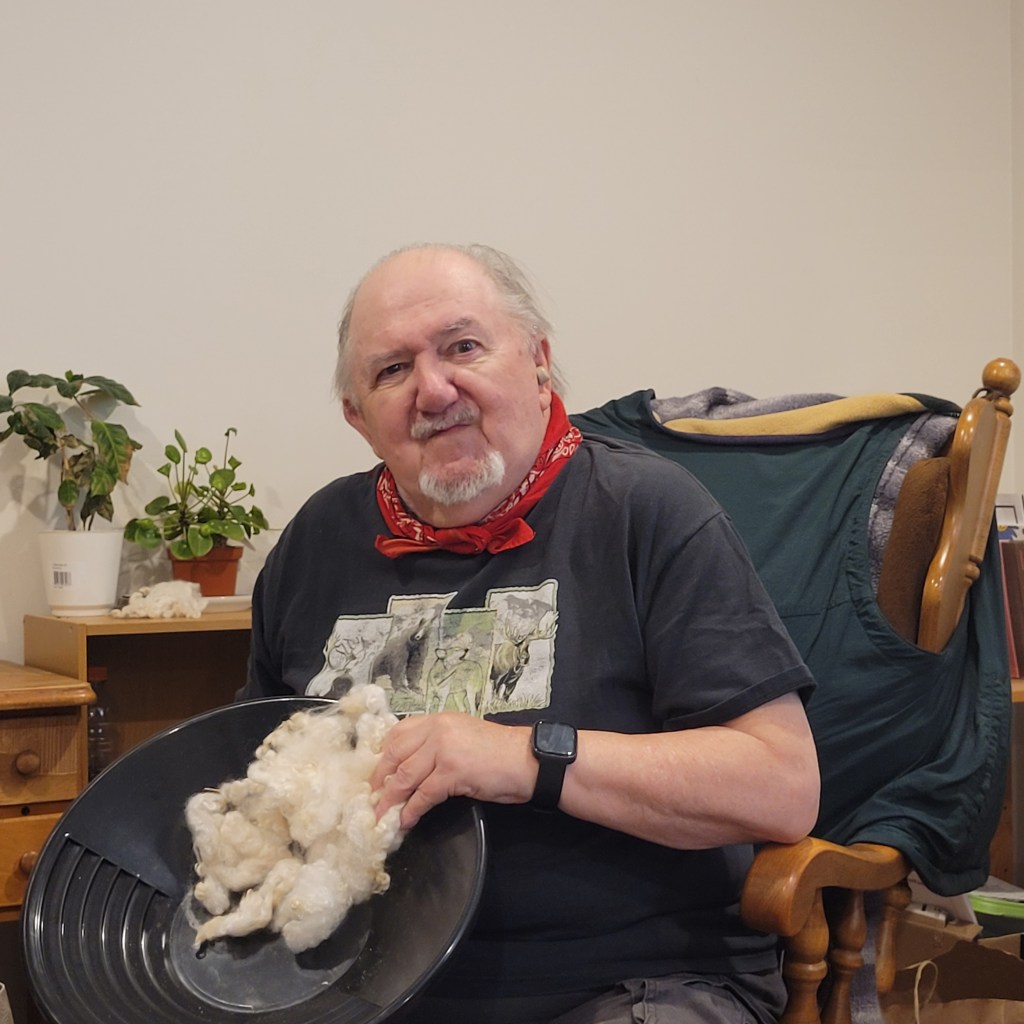
    He replied immediately, “I had my gold pan with me.” A young man spotted it right away.

    The Boy on the Bridge

    The boy was about eleven or twelve years old. He stood on a small footbridge near the beach. He was finishing up a fishing session. The moment he saw Nick’s gold pan, his eyes lit up.
    He told Nick he had just gotten himself a gold panning kit but didn’t really know how to use it. Naturally, Nick invited him down to the water’s edge to show him the basics.

    I checked with his family first. I wanted to let them know that Nick wasn’t just some random stranger. He was not merely trying to strike up a conversation with their son. His dad smiled and said, “He’s been dying to try that kit. Go ahead!”

    A Lesson in Gold Panning

    The beach wasn’t the easiest terrain. It was rugged, with a bank too hard to dig. Nick opted to work with sand right along the shoreline. He explained how black sand often signals heavier minerals. Then he showed the boy how to swirl the pan. This lets the lighter materials wash away, leaving the denser particles behind.

    The boy was full of questions. “What if you actually found a flake of gold but didn’t have one of those little sniffer bottles?”
    Nick grinned. “Then I’d grab a Q-tip, wet it just a little, and pick it up that way.”
    “And if you didn’t have a Q-tip?” the boy challenged.
    “I’d find a leaf with a stem. I would use it like you’d pick up a tiny scrap of paper you can’t quite pinch.”

    That boy hung on every word. Even though the beach didn’t give up much black sand, his excitement never dimmed. He wasn’t the only one watching. Soon, other beachgoers were calling out, “Hey, there’s some black sand down here!” Gold fever, it seems, is contagious.

    The Reality of Gold Panning

    Port Glasgow has its quirks. There are big rocks you have to navigate before hitting smooth sand. The water forces you to wade in past your knees. There is also plenty of shoulder strain from swirling a heavy pan. Still, Nick says it was worth every ache just to see that boy’s enthusiasm.

    It reminded him of other adventures. He panned garnets at Pedro Creek. He and a friend once spent $200 to get to Bachelor Creek. They only came back with $7.82 worth of gold. As Nick likes to say, “It’s an adventure — you classify it that way, or you’ll go broke.”

    More Than Gold

    In the end, there was no treasure in the pan that day. There was something better: a shared moment between a seasoned prospector and a curious young mind. That boy will very well grab his gold pan the next time his family heads to the beach. Years from now, he’ll remember the man who took the time to teach him.

    As Nick puts it, “In Alaska, they say miners usually put more money into the ground than they take out. But you can’t put more good into the world than you’ll get back. That boy made us happy that day, and I think we made him happy, too.”

    So, from Denali Guide and Denali Guide Plus — signing off for now.
    Take care, God bless, and remember: sometimes the short answer is the best.

    Watch the video here:

  • August 7, 2025, @Denaliguide

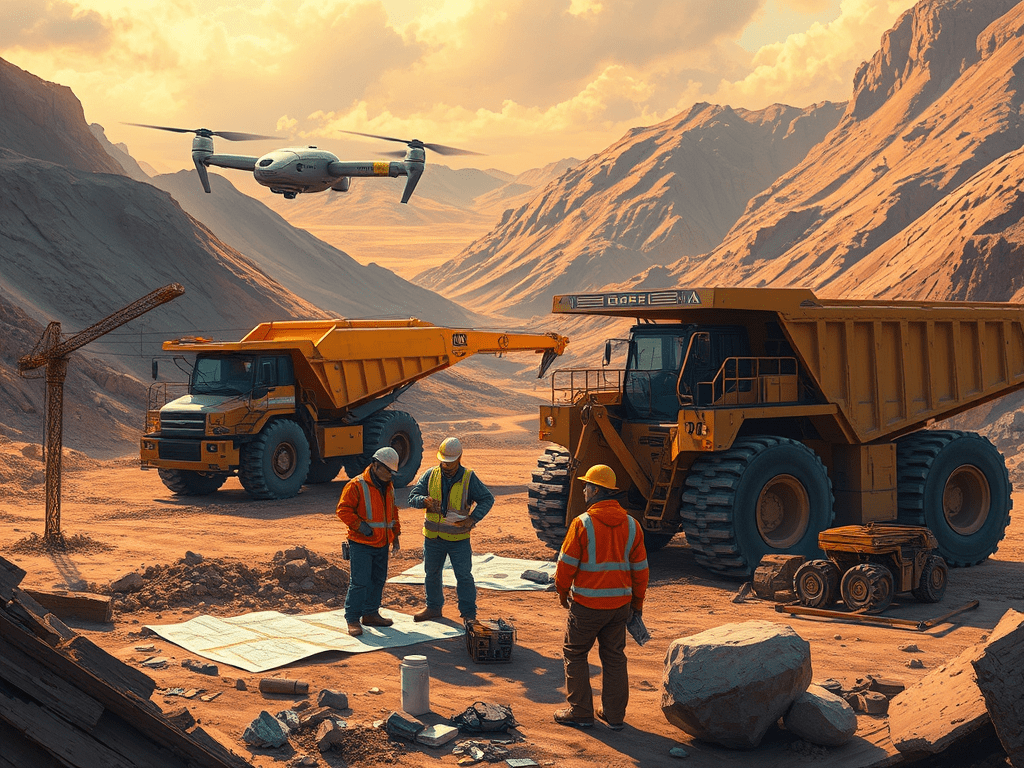
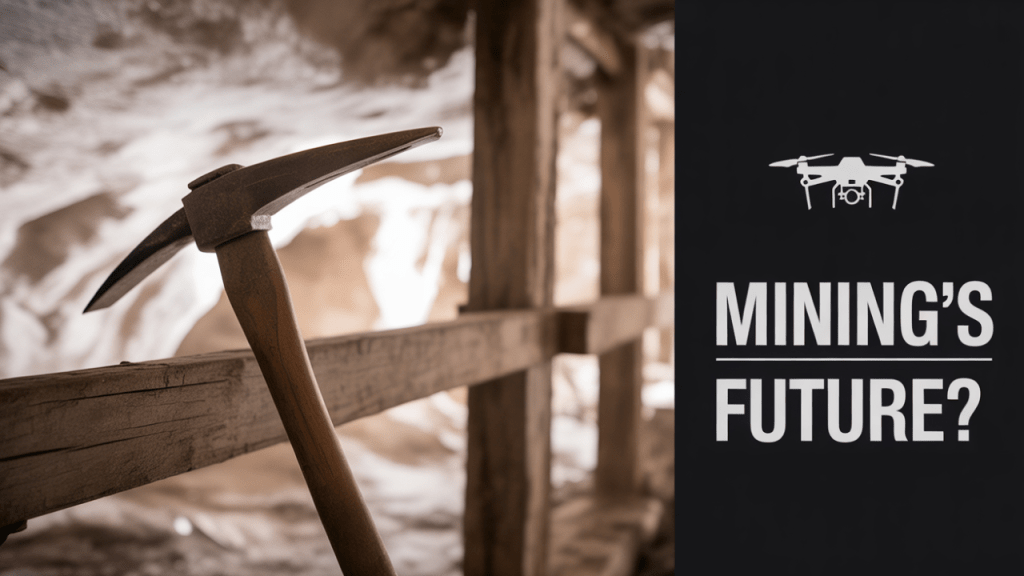
    Mining has always been a dance between vision and reality. It involves the promise of what lies beneath the ground. It also involves the hard, measurable facts of what it takes to get it out. We can identify four broad categories if we break the industry into its core drivers. These categories are shaping modern mining. Scroll down for the accompanying video.

    1. People

    • Leaders: Princes, officers, regulators — the decision-makers and deal-makers.
    • Experts: Geologists, geo-techs, logisticians, pilots, heavy equipment operators, engineers.
    • Costs & Risks: A heli-pilot costs about $300 per hour. Geo-techs earn $200–$300 per day. Their work is physically demanding and often hazardous. Yes, bears are included in the risks.

    2. Land & Deposits

    • Acquisition: Finding, staking, claiming, and securing the legal rights to mine.
    • Maintenance: Ongoing obligations to keep claims in good standing.

    3. Mechanical

    • Heavy earth-moving equipment: bulldozers, crawlers, mobile drill rigs.
    • Transport helicopters: $5,000/hour for a Chinook heavy-lift, $700/hour for a Bell or Huey.
    • Cessna 208 survey planes: $700/hour for mag, grav, and IP surveys.
    • Mine haul trucks: several million dollars each.

    4. Intangibles

    • Permits: Water, waste, environmental bonds.
    • Surveys: Magnetic, gravity, induced polarization, soil, and water studies.
    • Costs: Soil & water surveys at $4,000/km, VTEM at $500/km, diamond drilling at $175/m, DTEMI surveys at $15,000 each.

    As the saying goes:

    “The stories might lie, but the numbers never do.”

    Exploration requires multiple surveys. It also needs equipment and personnel. As a result, exploration budgets can easily hit a million dollars. This is before a single ounce of ore is mined.


    A Tale of Two Sites

    At Kinross Fort Knox mine, the operation is well-established. Walking past the supply stores, I’ve seen three to six geologists. A couple of logisticians are gathered around a wall-sized map. They are plotting the next blast to maximize ore recovery. That’s about $1,000 an hour in skill, deciding where the next load will go to the crusher.

    By contrast, Elephant Mountain, owned by END, is still in exploration. There’s no shortage of gold — I’ve held samples in my own hand (and, reluctantly, handed them back). But progress looks different here.

    END purchased the former Placer Dome property for over $500,000. They expanded the land package to double its acreage. This was an investment of around $1 million before exploration even began. Then came soil and water surveys, VTEM, gravity, and magnetic studies across 40 square miles. Drill rigs and bulldozers had to be deployed. Their financing suggests they’ve spent around $36 million on this site so far.


    Where’s the Progress?

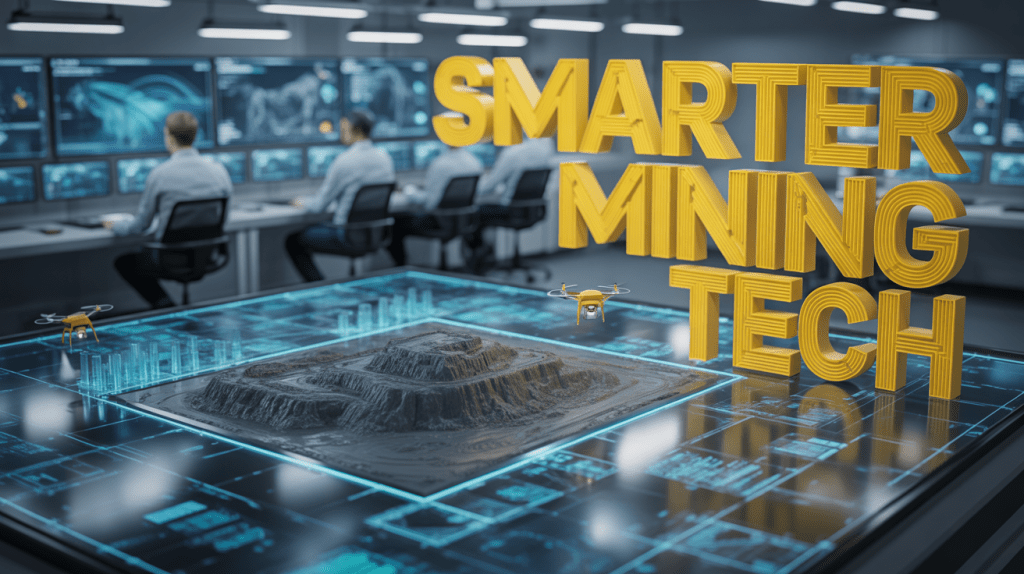
    The game-changer is technology, specifically AI and drones.

    • The Drone Effect: Survey costs are now 20–25% lower compared to manned aircraft.
    • Data Transmission: Results go directly to data centers, reducing delays and errors.
    • Layered Analysis: Each survey layer is summarized and overlaid with the next.
    • AI Integration: Chief geologists can ask for AI-generated categories like Probable, Possible, and Unlikely. Factoring in logistics and terrain, AI further refines these into:
        • Probable & feasible
        • Uncertain but feasible
        • Not promising

      The Bottom Line

      Mining is still about people, land, machines, and intangibles — but AI is accelerating progress. It’s helping companies like END make better, faster, and more cost-effective decisions. The gold doesn’t come out of the ground any easier. Yet, knowing where to look has never been more precise. Finding where not to look is also more precise than ever.

      Until next time, keep your pans in the stream. Keep your eyes on the data. In mining, the gold is in the details.

      What do you think—will AI and drones reshape the future of mining, or are we just scratching the surface? Let me know in the comments!

      Nick, aka Denaliguide

    • Innovation: From Fire to Flight in the World of Mining

      © DenaliGuide | Mining & Money Reflections

      When was the first true innovation in mining?
      Was it the moment water trickled across rock, revealing shimmering traces of electrum (alloy of gold and silver)?
      Or perhaps it was when a searing fire atop a mineral deposit created a gleaming puddle? It left behind crude dore — silver and gold fused in nature’s furnace.

      Whatever it was, it surely lit a fire of wonder in the hearts of those first discoverers. From that spark, an unbroken chain of innovation stretches through history. Each generation builds better tools and chases the prize buried in the earth.

      The Drive to Dig Deeper

      (scroll down to see the video)

      Early humans used their own muscle, then animals, and then fire to dig and melt metal from stone. With time came the blacksmiths, then the miners, each mastering tools of increasing power and precision.

      War, as always, accelerated change. Mining took on new meaning. The growing need for energy, from wood to coal to oil, led to deeper and wider excavation. The ground beneath the water table, once unreachable, can be drained and explored. With explosives came even greater, displacing hand chisels and crude picks with blasts that tore open new opportunities.

      Geology became its own science — no longer guesswork, but layers of earth analyzed for hints and signs. Strata, faults, and even plant life told stories. “Dig here,” they whispered.

      Adventurers and Aerial Eyes

      Mining has always attracted adventurers. It was inevitable that one day, one of them would spot something strange from the air. A glint, a fold in the land — something that didn’t belong. A new expedition was born: aerial prospecting.

      At first it was simple. Some even staked mineral claims from airplanes — odd, but true. Then came the next wave: aerial surveys, magnetic anomaly detection, polarization mapping, and time domain electromagnetic studies. The skies became the prospector’s new frontier.

      Aviation and geology fused into a new kind of industry — and it paid off. Huge discoveries, entire mining towns, and global booms were launched from the sky.

      Robots and the Rise of the Drones

      As the 20th century gave way to the 21st, brute strength came from fossil fuels and chemical refinement. Robots stepped into the most dangerous jobs, doing what human miners once risked their lives to achieve.

      Now, in a new era of micro-detection, we can trace metal particles in water and soil at parts-per-billion. But it’s not just labs doing the work.

      Enter: the drone.

      Drone: The Innovation of Our Time

      Drone warfare development is the product of military urgency. Still, its technological breakthroughs have reshaped civilian industries. Mining is no exception.

      In terrain reshaped by centuries of construction, reforestation, and erosion, it’s almost impossible to spot ancient land-forms. Satellite imagery is too high. Conventional flights are expensive and limited.

      Drones have changed the game.

      Drones offer unmatched flexibility and repeat flight paths. They have a low operational cost. These capabilities allow drones to scan vast areas daily. They can also capture data at different angles and resolutions. They offer miners and geologists a view that is closer, clearer, and more consistent than ever before.

      This is no small shift. This is, arguably, the most significant innovation since mechanized mining began. And its impact is just beginning to be felt.

      What’s Next?

      As groundbreaking as drone technology is, it’s not the end of the innovation story. In our next installment, we’ll dive into another revolution in the mining world — just as impactful, just as transformative.

      You won’t want to miss it.

      Until then — keep exploring.
      © DenaliGuide

    • Breakout Stock Spotlight: When Trading Ranges Erupt

      Have you ever heard the terms “trading range” and “breakout stock” in the same breath? That’s because one often leads to the other. And when it does, things can move fast.

      What Is a Trading Range?

      A trading range is the zone between a stock’s typical upper and lower price limits. It’s like a rut. Prices bounce back and forth within this range over time. They usually do so on average volume. Nothing remarkable happens.

      But eventually, something does happen. A new development — good or bad — shifts market sentiment and price movement. If that shift is strong enough to punch through the upper or lower range, you’ve got a breakout. It continues moving beyond the usual limits.


      The Classic Breakout: From $1 to $30

      Take Great Bear Resources as a now-legendary example. For months, its stock hovered around the $1 mark. Then came news — and boom. It shot to $3 in short order, breaking out of its trading range with force. Eventually? It was acquired for around $30 a share. That’s the power of a true breakout: price, momentum, and investor recognition all converging.


      A Modern Breakout: Imperial Metals [III.TO]

      Now let’s look at a more recent case: Imperial Metals (III.TO).

      Back in 2014, Imperial made headlines for all the wrong reasons. There was a catastrophic tailings dam failure. They faced lawsuits and the looming threat of criminal charges. Unsurprisingly, the stock languished. From 2023 through early 2025, it floated quietly between C$2.00 and C$2.50.

      Then, something shifted.

      On April 22, 2025, the stock broke out — jumping to C$3.00 on a volume spike 20 times higher than its earlier highs. That’s what we call volcanic volume — and it’s no accident.

      Markets saw something change: Imperial was surviving and thriving amid rising gold and copper prices. The price climb continued for two more weeks, confirming the breakout. Volume validated the move. And longer-term charts? They’re starting to flash green for a new upward trend.


      How to Spot a Breakout Stock

      Not every price jump is a breakout. Here’s what I look for:

      • A strong move out of the trading range
      • A sustained price increase (not a one-day wonder)
      • Volume spike — the bigger the better
      • 10%–20% gain or more as a least move

      Set your own limits — but consistency and validation are key.


      Stocks Showing Breakout Signals

      Here’s a list of tickers that have recently caught my eye for breakout behavior:

      Longer Term Watchlist:
      AUX.V, MUX, BTO.TO, WDO.TO, III.TO, KGC, MTA.V, SGD.V, H.TO, MKO.V, VZLA, JWEL.TO

      Short-Term Highlights:
      AUX.V, MUX, BTO.TO, WDO.TO, III.TO, KGC, MTA.V, SGD.V, H.TO, MKO.V, VZLA, JWEL.TO

      Some are more speculative. Others are more seasoned. However, they all show signs of stepping out of their old patterns and into something new.


      Final Thought

      Breakout stocks aren’t magic — but they are momentum. When you combine technical signals with smart fundamentals, you increase your chance of catching the wave early. Keeping an eye on volume also helps. Just remember: not every pop is a breakout, and not every breakout lasts.

      But the good ones? They can go from $1 to $30. Just ask Great Bear.


      Got a breakout stock on your radar? Let’s talk in the comments. And don’t forget to subscribe for more insight into trends, technical, and resource-sector action.

    • A Look at Snowline, Vizsla, and What Really Counts

      When it comes to picking a precious metal miner—whether gold or silver—the word “best” gets thrown around a lot. But what really makes a mining company stand out? Production? Not always. Sometimes, it’s about potential, planning, and having the right reports and relationships in place.

      Let’s dig in.


      What Does It Take to Be a “Good” Miner?

      You don’t need to be producing yet to be a strong contender. What you do need is a pathway to production, and that often starts with a Preliminary Economic Assessment (PEA). In Canada, companies must reveal scientific details of their mineral projects. They must also disclose technical details in a standardized format. These requirements are thanks to the National Instrument 43-101 Technical Report (NI 43-101). This makes it easier for investors to evaluate whether a project is real—or just a pipe dream.

      A solid PEA can show whether:

      • The deposit is economically possible
      • The company can raise money to fund development
      • The project can realistically move into production

      And let’s be honest: money is the breath of life in mining. Without financing, the drill stops turning.


      What Comes Next?

      If financing is secured—based on a solid PEA—the next phase begins: moving dirt. Camps get built. Equipment arrives. And most importantly, a bulk sample is taken, typically between 5,000 and 60,000 tonnes. If this sample confirms the earlier geological assumptions, it not only validates the deposit. It also provides a cash injection from early processing.

      This is where smart management shines. The goal is to use that early capital wisely—negotiating deals, avoiding excessive royalty burdens, and keeping future earnings intact.


      Why Royalties and Streaming Deals Can Be a Drag

      While royalty and streaming agreements can bring in early cash, they’re like a second mortgage on a project’s future. Just ask Alexco, now part of Hecla. Their advance from Wheaton Precious Metals looked good at first—until the royalty payments hampered future profits and flexibility.

      Lesson: Good projects deserve good deals. The best companies don’t mortgage their futures for short-term gains.


      Two Miners to Watch

      Snowline Gold Corp (SDG.V)

      If you want a gold stock with all the right ingredients, Snowline is it. They have experienced management, top-tier geologists, financial strength, and premier deposits. Their PEA is so robust that they haven’t even needed extra financing. They’ve got backing from major names like Sprott, Neumeyer, Crescat Capital, and B2Gold. For a long-term gold play, Snowline looks very strong.

      ⚠️ Vizsla Silver (VZLA)

      Disqualified from the “best gold” list only because it’s a silver company, Vizsla is still worth mentioning. If you’re looking for a dark horse silver stock, this is your pick. Yes, it’s in Mexico. It’s a jurisdiction that can raise eyebrows. Yet, this deposit is so big that some analysts say it’s “too big to rig.” Vizsla is sitting on a silver mountain.

      Not to mention:

      • Backed by Sprott, Franklin Resources, Van Eck (the folks behind GDX)
      • A cash war chest nearing $100 milliontwice the size of Snowline’s

      Final Word

      If you’re looking for a mining stock with serious upside, Snowline Gold (SDG.V) stands out. It checks all the boxes: geological excellence, financial savvy, and major institutional support. For a gold investor seeking long-term potential, this one deserves a close look.

      And if silver is more your metal of choice? Don’t sleep on Vizsla Silver (VZLA). It is the sleeper pick of the decade.

      DYODD (Do Your Own Due Diligence)—but start here.

    • FIVE QUESTIONS OF INQUIRING MINDS
      JUL 4, 2025
      ©Nick Migliaccio

      As I sit back and think about what makes a great miner, a few things come to mind. To me, it’s all about resilience, innovation, and knowing when to take risks. Here are five questions about mining and precious metals. These are the type of questions that an inquiring mind should ask when navigating market fluctuations.

      See video below:

      1. What Makes a Great Miner?

      When it comes to mining, Agnico Eagle (AEM) stands out in my mind as a shining example. Why? Because they have it all — excellent deposit choice, resilient management, and the ability to bounce back from disasters. They’ve faced setbacks (a few “Acts of Gold,” so to speak) but have recovered every time. The stock continues to show solid performance, and I think savvy investors know exactly why. No dilution, just strong, steady stock movement. To me, Agnico Eagle is a top-tier company with a proven track record.


      2. Who or What is a “Break Out”?

      A “breakout” is a term you’ll hear in the stock world. It refers to when a stock exceeds its prior trading range and holds onto that gain. The stock charges ahead with confidence. It’s like a runner breaking free from the pack. Here are a few examples of stocks that have broken out recently, and the reasons why you should keep an eye on them:

      • AUX.V
      • BTO.TO
      • WDO.TO
      • III.TO
      • KGC
      • MTA.V
      • DIV.TO
      • SGD.V
      • JWEL.TO
      • H.TO
      • MKO.V
      • VZLA

      A few stock picks of my own? VZLA and SNOWLINE (SGD.V) have caught my attention. If I were looking to buy, they’d be at the top of my list.

      For a deeper dive into these stocks, check out the link to my full breakdown:

      Stock Charts


      3. What Do I Consider “Innovative”?

      Innovation is key in the mining world. Take Great Bear Mining as an example. Their ability to recognize dissolved minerals in soil and water samples — something that many overlooked — was a game-changer. Even when faced with difficult conditions like deep overburden, they didn’t stop. They used mechanical clearing to expose drill sites, and this determination paid off.

      In the end, Kinross Mining (KGC) bought out Great Bear for over $30 per share. Now that’s innovation. They took risks and stayed creative. As a result, they proved the worth of their land. They discovered gold worth millions.


      4. What Do I Consider Dangerous in a Mining Stock Context?

      Mining is inherently risky. We’re talking massive machinery, explosives, and harsh environments. But there’s one company that really stands out to me when it comes to risk: Fenix Gold (RIO-V).

      Located in Chile, Fenix works in some of the toughest spots you can imagine. They process gold through chemical leaching, a method that adds its own set of dangers. I’m talking about cyanide leaching, among other hazards.

      Despite these risks, Fenix Gold has big backing from some of the top financiers in the industry. The company is taking on huge risks, particularly the environmental ones. They’re doing it in a way that just works. They’ve promised to extract over 95,000 oz. of gold in eight years with a smart management team and modern tech. This project is closely watched, and Chile’s mining jurisdiction has been proven to be trustworthy.

      But let’s be clear, it’s still risky. You should always take caution when dealing with mining operations like this.


      5. Finally, Who or What Do I Consider Genius in Precious Metals?

      There’s one name in mining that I just have to mention: Rob McEwen. His leadership at Goldcorp was nothing short of genius. McEwen’s ability to recognize deeper gold deposits at the Campbell and Red Lake mines transformed Goldcorp into a global powerhouse. Eventually, Goldcorp merged with Newmont, becoming a leading company in the gold mining space.

      But it’s not just his leadership that impresses me — it’s his willingness to think outside the box. He revolutionized the way mining companies shared information, by releasing geological data to help others find new deposits. It was seen as controversial, even heretical at the time, but it worked. McEwen’s approach led to the discovery of over 6 million oz. of gold on Goldcorp’s properties.

      Today, he’s still at the helm of McEwen Inc., a company that continues to innovate and keep a profitable operation with a market cap of over $600 million. McEwen proves that genius is about more than just numbers; it’s about daring to do things differently.


      The mining world is full of highs and lows. With the right mindset and the right leaders, it can also be full of success. A great miner like Agnico Eagle shapes the future of precious metals. An innovative approach like Great Bear’s also has an impact. A genius like Rob McEwen plays a crucial role.

      Keep an eye on the industry. Ask the tough questions. It’s how you stay ahead in the game.

      Stay ahead of the game,

      Nick aka Denaliguide