
So, you’ve decided to start investing. That’s a good start. Before diving in, focus on the specifics of your chosen sector. This includes areas like precious metals.
You’ll hear this often: “Do your own due diligence.” That’s not just a cliché — it’s the marching order you give yourself before placing any trade.
Let’s unpack what that really means. (scroll down for the video)
Start with a Clear Head — and Ignore the Noise
You will experience a lot of excitement when you first step into investing. There will be promises that AI is your ticket to getting rich. You also hear that this stock will go to the moon.
Ignore it. Those distractions rarely lead to good outcomes. Investing isn’t about hype; it’s about building understanding and forming habits that help you find real value.
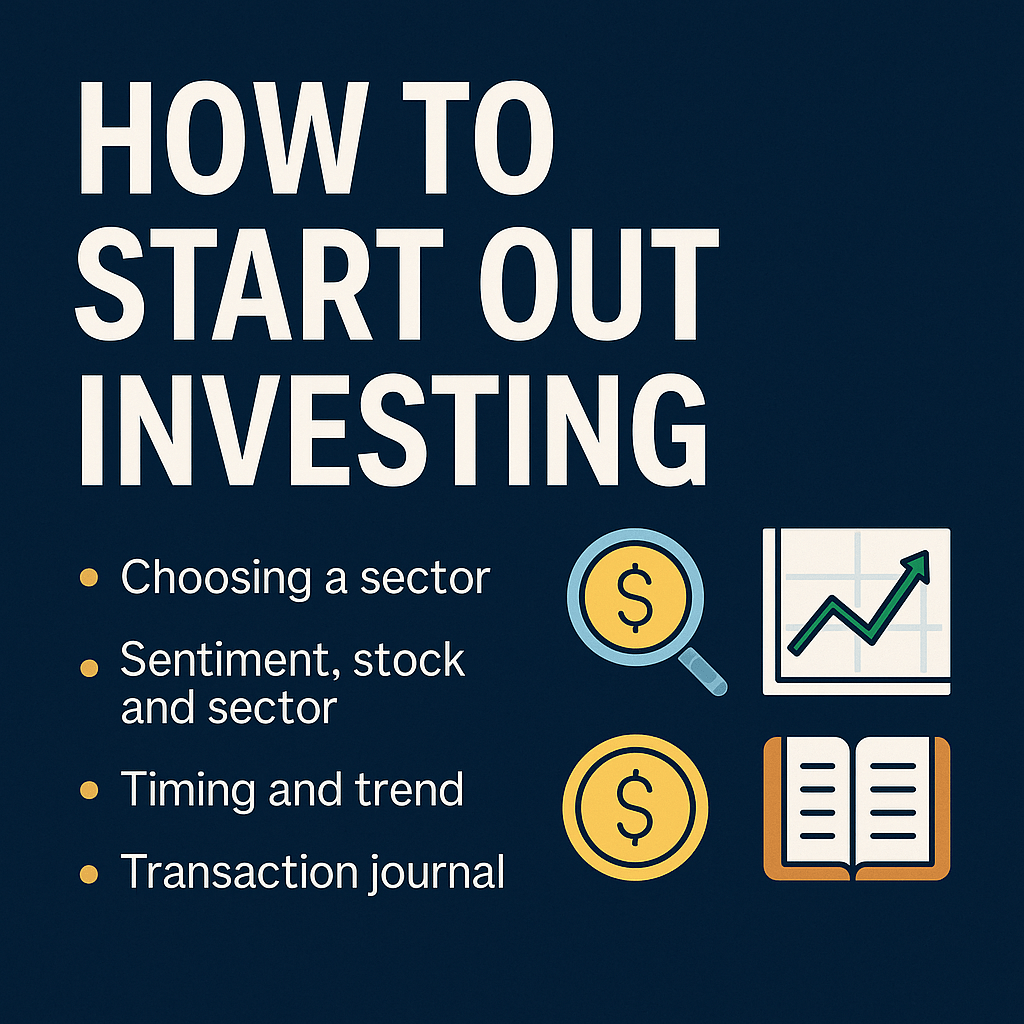
The Three S’s of Sensible Investing
Over time, I’ve found there are three “S” words that can guide any investor: Sentiment, Stock, and Sector.
1. Sentiment
This isn’t about emotions — it’s about the general feeling in the market. You’ll hear people say things like:
“I like Phillips Petroleum for a long investment.”
or
“Nucor Steel could have a good run coming.”
Those are expressions of sentiment — opinions that can sway markets in the short term. However, they shouldn’t define your decisions.
2. Stock
Each stock has its own story. It reflects not just numbers but also leadership, balance sheets, and the business’s ability to adapt. You’ll research it, read reports, and get familiar with how it behaves within its space.
3. Sector
This is the big one. As Jim Cramer once said, “Eighty percent of what a stock does is determined by its sector.”
That means the sector’s direction often matters more than the company’s specifics.
Take Peabody Coal (BTU) — when coal was politically disfavored, the stock fell. When the administration shifted, it rose again. The company didn’t change overnight — the sector’s winds did.
Timing and Trend: The Often-Misunderstood Pair
Two other words that can make or break investors are Timing and Trend.
Many people worship “the trend” and curse “the timing,” but I regard them as equals.
- Get the timing wrong, and you’ll take losses.
- Catch the trend early, and it becomes your friend.
- Ride the trend too late, and it can turn against you fast.
The key is to respect both — and to define what short term and long term mean for you.
Maybe short-term means three months or less, while long-term could stretch into years. Write that down. Be consistent.
Keep a Transaction Journal
One of the simplest and smartest tools I use is a Transaction Recap Journal.
Each entry includes:
- Date opened
- Goal or expectation
- Exit plan — next week, next month, next quarter
That small habit keeps non-performing trades from turning into long-term mistakes. It helps you close a losing position early rather than letting it sink your portfolio.
Back to Basics: Sector, Category, and Project
If you’re focusing on precious metals, narrow it down:
- Metal: Gold, Silver, Copper
- Group: Producers, Developers, or Explorers
The sector trend will pull them up or down together, but within that, the group defines your risk and reward.
For example, reading a company’s PEA (Preliminary Economic Assessment) tells you:
- What’s in the deposit
- How much production is expected
- How long the mine might last
You don’t need to be a geologist — just curious enough to read what’s publicly available and understand the basics of the business you’re investing in.
The Bottom Line
Starting out in investing isn’t about gambling or chasing trends.
It’s about learning the rhythm — how sentiment, sectors, timing, and trends interact.
Keep records. Respect your plan. Don’t get caught up in hype.
Whether you choose gold, energy, or tech, remember: it’s not just what you invest in. How you think about investing determines your success.
💬 From Denaliguide
At Denaliguide, we believe good investing begins with discipline, not luck.
If this helped you, follow our weekly insights. We continue exploring sector dynamics, commodity cycles, and sound portfolio habits. These habits help real investors stay grounded in volatile markets.
 Denaliguide Summit
Leave a comment